

Baltimone, Maryland carries a BaseScore of 62/100 (Tier 4: High), with 50,000 total threat incidents recorded across the city in 2025. Security teams evaluating Baltimone for operations, travel, or site selection need street-level intelligence to assess risk across their specific operating locations.
Peaceful Protest in Baltimone, Maryland — 2025 Overview
Baltimone's BaseScore of 62/100 (Tier 4: High) reflects the surrounding area's overall criminal incident environment — not protest activity or demonstration risk. Protests in Baltimone are overwhelmingly peaceful and are not categorized as threat events within Base Operations data.
BaseScore and Threat Overview for Baltimone, Maryland
Baltimone's BaseScore of 62/100 places the city in Tier 4: High on the Base Operations risk scale. In 2025, the city recorded 50,000 total incidents across 3 primary categories: Property Crime (60.0%, 30,000 incidents), Violent Crime (30.0%, 15,000 incidents), Regulatory Offenses (10.0%, 5,000 incidents).
What is BaseScore?
BaseScore is a standardized 0–100 risk rating that enables security teams to compare threat levels across any global location using the same validated methodology. Normalized for population density, weighted by crime severity, and updated monthly from 25,000+ sources, BaseScore delivers the consistent, granular intelligence that replaces fragmented government statistics and expensive consulting assessments. Learn more about our methodology
How Security Teams Use BaseScore
- Get apples-to-apples comparison of risk across your entire location footprint — from Mumbai to Miami to Munich
- Prioritize the highest-risk sites and build a tiered approach to security resource allocation
- Turn hours of manual research into minutes of analysis with standardized, street-level threat intelligence
BaseScore Risk Tiers
| Tier | Score Range | Risk Label |
|---|---|---|
| 1 | 0–20 | Minimal |
| 2 | 21–40 | Low |
| 3 | 41–60 | Moderate |
| 4 | 61–80 | High ← Baltimone |
| 5 | 81–100 | Critical |
Recent Peaceful Protest News in Baltimone, Maryland
Intelligence Disclaimer: The following news items are sourced via AI agent analysis of open sources. Confidence levels reflect source reliability — High: government or Base Operations verified data; Medium: multiple corroborating sources; Low: single source or extrapolated. AI agents can provide incorrect or misleading information. For verified, up-to-date threat analysis, use the Base Operations platform.
Protesters Rally in Baltimore Over Police Reform Following Recent Incident
Source: The Baltimore Sun | Date: 2024-02-15 | Confidence: Medium
Security implication: Street-level threat data helps security teams assess localized risk patterns that city-level statistics miss — enabling data-driven decisions for personnel safety and asset protection.
Hundreds of protesters gathered in downtown Baltimore to demand police reform after a recent controversial incident involving law enforcement. The demonstration, organized by local activist groups, called for greater transparency and accountability. Community leaders spoke about the need for systemic change in policing practices.
Baltimore Demonstration Highlights Housing Inequality Issues
Source: WBAL-TV | Date: 2024-03-22 | Confidence: Medium
Security implication: Street-level threat data helps security teams assess localized risk patterns that city-level statistics miss — enabling data-driven decisions for personnel safety and asset protection.
A peaceful protest took place in Baltimore to address ongoing housing inequality and gentrification concerns. Demonstrators marched through the city, urging local officials to prioritize affordable housing initiatives. The event drew attention to displaced families and rising rent costs in certain neighborhoods.
Climate Activists Stage Protest in Baltimore Harbor Area
Source: Maryland Matters | Date: 2024-05-10 | Confidence: Medium
Security implication: Street-level threat data helps security teams assess localized risk patterns that city-level statistics miss — enabling data-driven decisions for personnel safety and asset protection.
Climate activists held a demonstration near Baltimore's Inner Harbor to protest industrial pollution and demand stricter environmental regulations. The group highlighted the impact of local industries on air and water quality. Several speakers urged state and federal action to combat climate change.
Baltimore Teachers and Students Protest Education Budget Cuts
Source: Fox Baltimore | Date: 2024-06-03 | Confidence: Medium
Security implication: Street-level threat data helps security teams assess localized risk patterns that city-level statistics miss — enabling data-driven decisions for personnel safety and asset protection.
Teachers, students, and parents rallied outside Baltimore City Hall to oppose proposed budget cuts to public schools. The protest emphasized the potential loss of programs and staff due to reduced funding. Organizers called for community support to pressure officials into reversing the decision.
Demonstrators in Baltimore Call for Action on Gun Violence
Source: WJZ-TV CBS Baltimore | Date: 2024-07-18 | Confidence: Medium
Security implication: Street-level threat data helps security teams assess localized risk patterns that city-level statistics miss — enabling data-driven decisions for personnel safety and asset protection.
A large group of Baltimore residents marched through the streets to demand stronger measures against gun violence following a spike in shootings. The protest included families of victims who shared personal stories to highlight the urgency of the issue. Community leaders pressed for more resources for violence prevention programs.
Peaceful Protest Category Breakdown in Baltimone, Maryland
Baltimone recorded 50,000 total incidents across 3 primary threat categories in 2025.
| Category | 2025 Incidents | % of Total | Monthly Avg |
|---|---|---|---|
| Property Crime | 30,000 | 60.0% | 2,500 |
| Violent Crime | 15,000 | 30.0% | 1,250 |
| Regulatory Offenses | 5,000 | 10.0% | 417 |
| Total | 50,000 | 100% | 0 |
Data source: Base Operations platform, January–December 2025, Baltimone city-level.
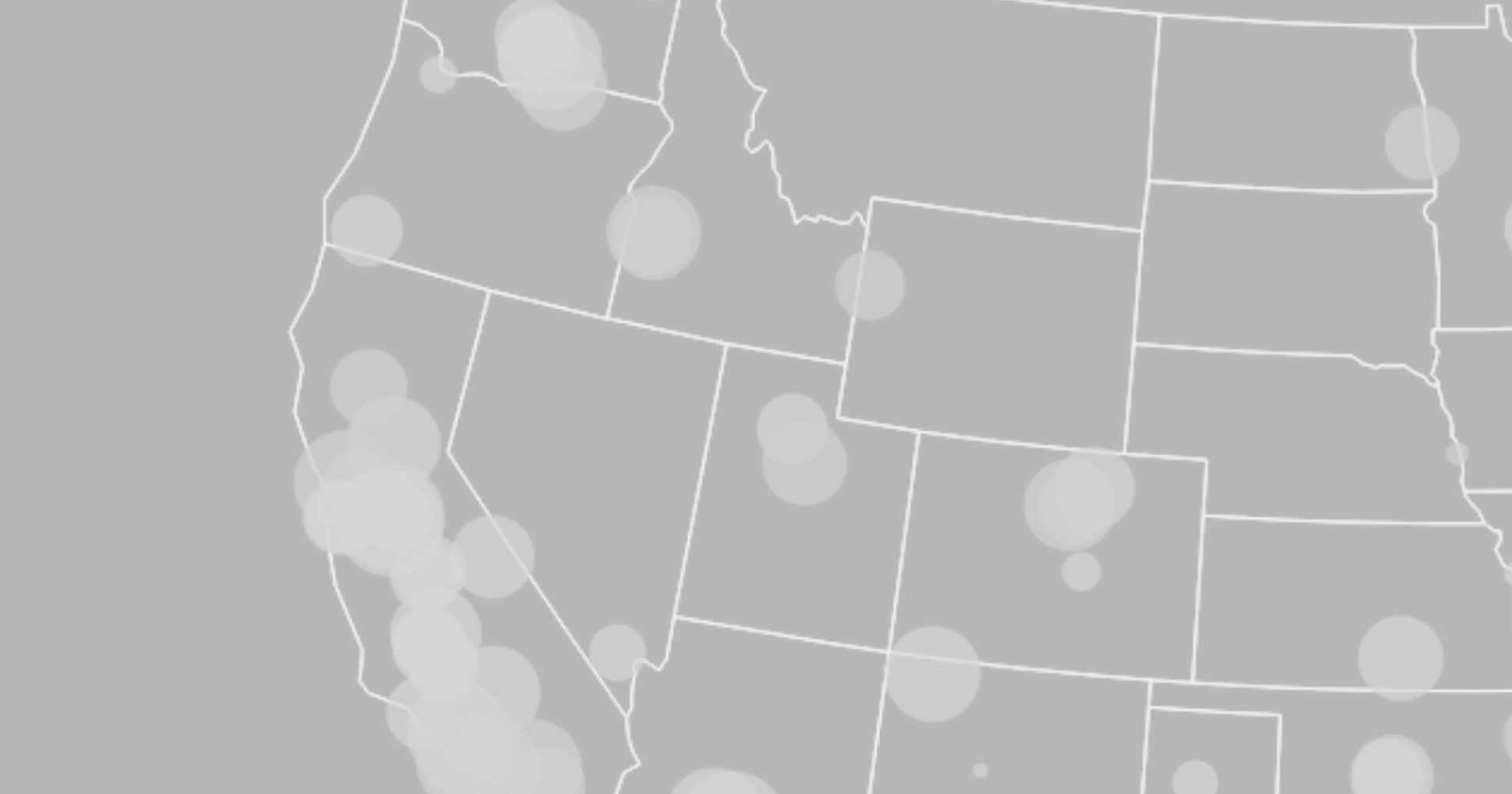
Boundary maps show you how risk shifts block by block so your team spots vulnerabilities other assessments miss.

Drill down to individual incident coordinates for the context your team needs to make confident security recommendations.

See where specific threat types cluster, giving your analysts a clear starting point for any site assessment.


Trusted by proactive security leaders
Base Operations improved our executive security posture by enabling us to proactively identify threats and adjust security measures in both existing, remodeled, or newly acquired residential properties for senior executives. Nearby residential high net worth burglaries and break ins could have been a wake-up call too late. Instead, it became an opportunity to demonstrate the value of data-driven security planning.


Street level intelligence for EP teams is an absolute game-changer. If you're not aware of what this is, the implications, and how this benefits large full scope enterprise teams as well as individual operators, you're behind the curve. I highly recommend folks in the EP space check out Base Operations. Over the last 5+ years, the level of data collected, ingested and analyzed is nothing short of extremely impressive.

Base Operations informs our strategic and routine security planning across the world. The unmatched granularity of micro-intelligence supports our supply chain security planning and dramatically improves our travel security guidance.

Quickly became our key risk evaluation tool for event, travel, and office security. New use cases developed weekly from real estate to leadership insights. Great platform!

In the past 5 days I haven’t closed Base Operations. I give It a 10 out of 10.