

Oakland, California carries a BaseScore of 58/100 (Tier 3: Moderate), with 36,558 total threat incidents recorded across the city in 2025. Security teams evaluating Oakland for operations, travel, or site selection need street-level intelligence to assess risk across their specific operating locations.
Crime in Oakland, California — 2025 Overview
Oakland recorded 36,558 total incidents in 2025, averaging 3,060 per month. The city's BaseScore of 58/100 (Tier 3: Moderate) reflects the local threat environment. Property Crime accounts for the largest share at 72.1% (26,374 incidents), but threat levels vary at the sub-mile level.
BaseScore and Threat Overview for Oakland, California
Oakland's BaseScore of 58/100 places the city in Tier 3: Moderate on the Base Operations risk scale. In 2025, the city recorded 36,558 total incidents across 3 primary categories: Property Crime (72.1%, 26,374 incidents), Violent Crime (18.8%, 6,882 incidents), Regulatory Offenses (9.0%, 3,302 incidents).
What is BaseScore?
BaseScore is a standardized 0–100 risk rating that enables security teams to compare threat levels across any global location using the same validated methodology. Normalized for population density, weighted by crime severity, and updated monthly from 25,000+ sources, BaseScore delivers the consistent, granular intelligence that replaces fragmented government statistics and expensive consulting assessments. Learn more about our methodology
How Security Teams Use BaseScore
- Get apples-to-apples comparison of risk across your entire location footprint — from Mumbai to Miami to Munich
- Prioritize the highest-risk sites and build a tiered approach to security resource allocation
- Turn hours of manual research into minutes of analysis with standardized, street-level threat intelligence
BaseScore Risk Tiers
| Tier | Score Range | Risk Label |
|---|---|---|
| 1 | 0–20 | Minimal |
| 2 | 21–40 | Low |
| 3 | 41–60 | Moderate ← Oakland |
| 4 | 61–80 | High |
| 5 | 81–100 | Critical |
Recent Crime News in Oakland, California
Intelligence Disclaimer: The following news items are sourced via AI agent analysis of open sources. Confidence levels reflect source reliability — High: government or Base Operations verified data; Medium: multiple corroborating sources; Low: single source or extrapolated. AI agents can provide incorrect or misleading information. For verified, up-to-date threat analysis, use the Base Operations platform.
Oakland crime: Police report decrease in violent crime, but challenges remain
Source: KTVU FOX 2 | Date: 2024-01-15 | Confidence: Medium
Security implication: Street-level threat data helps security teams assess localized risk patterns that city-level statistics miss — enabling data-driven decisions for personnel safety and asset protection.
Oakland Police Department announced a reduction in violent crime rates for early 2024 compared to the previous year. However, property crimes and burglaries continue to pose significant challenges for the city. Community leaders are calling for increased funding for prevention programs to sustain the downward trend.
Oakland residents frustrated over ongoing retail thefts, demand action
Source: ABC7 News | Date: 2024-02-09 | Confidence: Medium
Security implication: Street-level threat data helps security teams assess localized risk patterns that city-level statistics miss — enabling data-driven decisions for personnel safety and asset protection.
Retail thefts have surged in Oakland, with local businesses reporting frequent shoplifting incidents. Residents and store owners are urging city officials to enhance security measures and police presence in commercial areas. The issue has sparked debates over broader public safety policies in the city.
Fatal shooting in East Oakland under investigation, police seek suspects
Source: CBS News Bay Area | Date: 2024-03-22 | Confidence: Medium
Security implication: Street-level threat data helps security teams assess localized risk patterns that city-level statistics miss — enabling data-driven decisions for personnel safety and asset protection.
A fatal shooting in East Oakland left one person dead, prompting a police investigation to identify and apprehend suspects. The incident occurred late at night in a residential area, raising concerns among neighbors about ongoing gun violence. Authorities are asking for public assistance with any relevant information.
Oakland launches new community safety initiative amid rising crime concerns
Source: San Francisco Chronicle | Date: 2024-04-05 | Confidence: Medium
Security implication: Street-level threat data helps security teams assess localized risk patterns that city-level statistics miss — enabling data-driven decisions for personnel safety and asset protection.
Oakland city officials have introduced a new community safety initiative aimed at addressing rising crime rates through increased patrols and social programs. The plan includes partnerships with local organizations to provide resources for at-risk youth. Critics, however, question whether the funding will be sufficient to make a lasting impact.
Car break-ins plague Oakland neighborhoods, residents call for solutions
Source: The Oaklandside | Date: 2024-05-18 | Confidence: Medium
Security implication: Street-level threat data helps security teams assess localized risk patterns that city-level statistics miss — enabling data-driven decisions for personnel safety and asset protection.
Car break-ins have become a persistent issue in several Oakland neighborhoods, leaving residents frustrated with the lack of effective deterrents. Police data shows a spike in such incidents over the past few months, particularly in areas near downtown. Community groups are organizing to push for better lighting and surveillance in affected areas.
Crime Category Breakdown in Oakland, California
Oakland recorded 36,558 total incidents across 3 primary threat categories in 2025.
| Category | 2025 Incidents | % of Total | Monthly Avg |
|---|---|---|---|
| Property Crime | 26,374 | 72.1% | 2,198 |
| Violent Crime | 6,882 | 18.8% | 574 |
| Regulatory Offenses | 3,302 | 9.0% | 275 |
| Total | 36,558 | 100% | 3,060 |
Data source: Base Operations platform, January–December 2025, Oakland city-level.
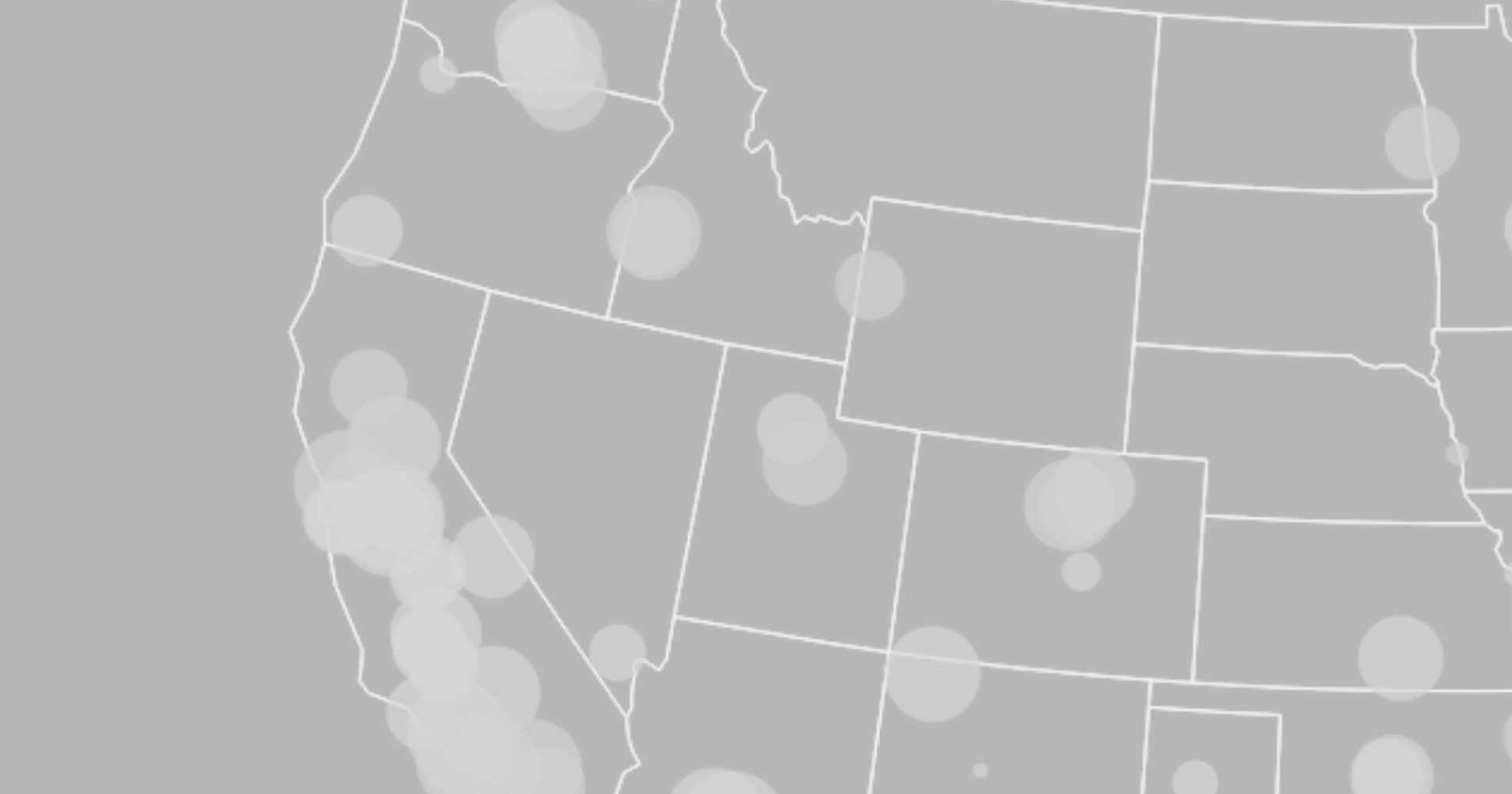
Boundary maps show you how risk shifts block by block so your team spots vulnerabilities other assessments miss.

Drill down to individual incident coordinates for the context your team needs to make confident security recommendations.

See where specific threat types cluster, giving your analysts a clear starting point for any site assessment.


Trusted by proactive security leaders
Base Operations improved our executive security posture by enabling us to proactively identify threats and adjust security measures in both existing, remodeled, or newly acquired residential properties for senior executives. Nearby residential high net worth burglaries and break ins could have been a wake-up call too late. Instead, it became an opportunity to demonstrate the value of data-driven security planning.


Street level intelligence for EP teams is an absolute game-changer. If you're not aware of what this is, the implications, and how this benefits large full scope enterprise teams as well as individual operators, you're behind the curve. I highly recommend folks in the EP space check out Base Operations. Over the last 5+ years, the level of data collected, ingested and analyzed is nothing short of extremely impressive.

Base Operations informs our strategic and routine security planning across the world. The unmatched granularity of micro-intelligence supports our supply chain security planning and dramatically improves our travel security guidance.

Quickly became our key risk evaluation tool for event, travel, and office security. New use cases developed weekly from real estate to leadership insights. Great platform!

In the past 5 days I haven’t closed Base Operations. I give It a 10 out of 10.